Plant Invaders: Non-Native Invasive Plants in the United States

One topic that has been pervasive in the news lately, especially as we approach important elections in 2008, is the issue of illegal alien immigration into this country. Hopeful politicians are campaigning on the issue, state and local goverments are trying to deal with the strains placed on their services and many people are understandably angered by a massive influx of people who have entered the country without proper documentation.

But Did You Know...

Another invasion is taking place under our noses yet in plain sight? Non-native invasive plant species are quietly invading this country displacing native species, disrupting entire ecosystems, contributing to extinctions, damaging private and public lands (including our National Parks), causing agricultural losses, perhaps even threatening our food supply and COSTING ALL OF US HUNDREDS OF BILLIONS OF DOLLARS EACH YEAR!

While the particular invasive plant species may differ across the country depending upon the climate and habitat, the problem exists in all 50 states as well as Canada and Mexico. In fact, the problem of non-native invasive plant species is worldwide.

While many thousands of wonderful different plants have been intentionally imported into this country over the last 200 years and many new ones enter each year, we've unfortunately imported (intentionally or accidentally) some horticultural problem children that should have been left in their native lands.

Invasive Plants of the Southern United States

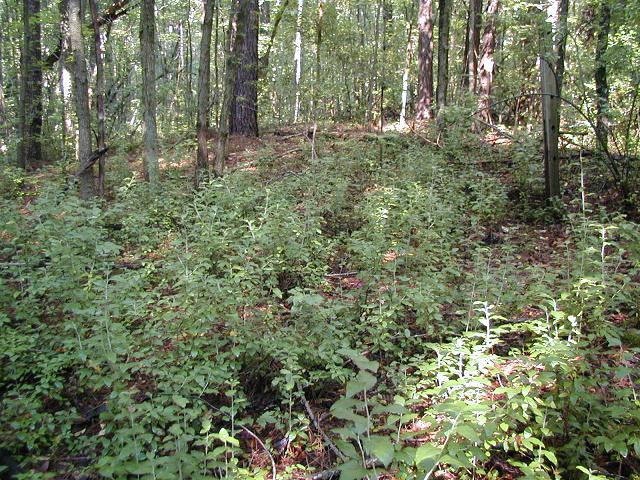
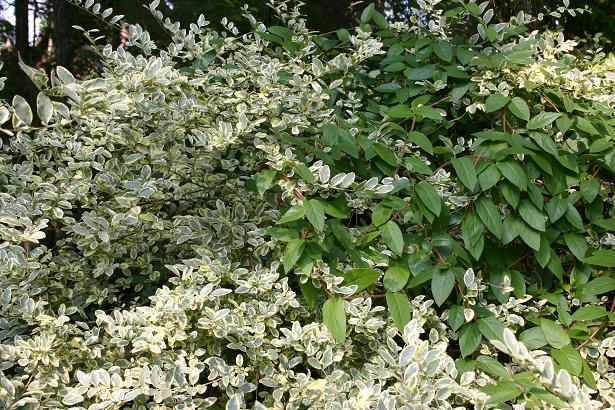
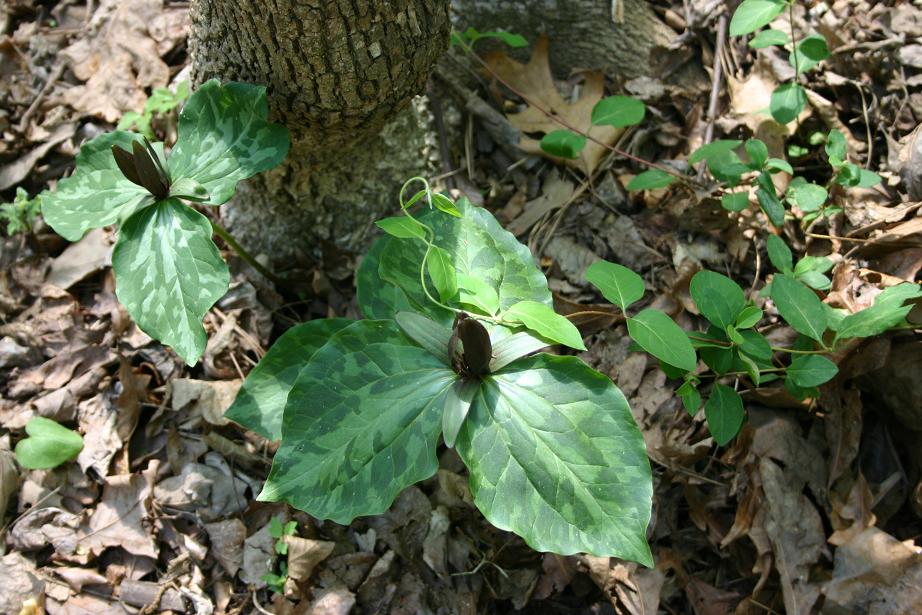
Chinese Privet and Japanese HoneysuckleA native trillium being overrun by Japanese Honeysuckle

The most familiar invasive plant to those living in the South is Kudzu which is from Japan, but did you know it's not our worst invader? Chinese Privet (Ligustrum sinense) now covers more ground than Kudzu but is still sold as a variegated landscape shrub. Despite cries from the U.S. Department of Agriculture, The U.S. Forest Service, The National Park Service, The Environmental Protection Agency and multiple private organizations, wholesale growers and nurseries refuse to discontinue its sale simply because it provides them with profits.

And as for profits, the destruction caused by non-native invasive species in this country costs YOU, the taxpayer, $137 Billion each year1 in damage to agriculture, ecosystems and the costs of control programs. That equals $457.00 for every man, woman and child in this country or $1,828.00 for an average family of four. Remember that figure when you file your taxes in April.

Below are some of the South's worst invasive plants - some of which are still sold in nurseries. These should not be planted, period.

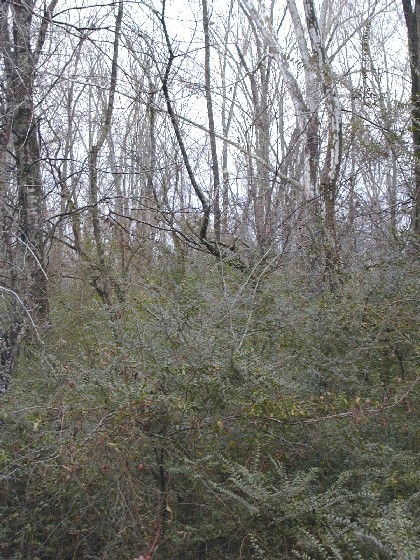
Chinese Privet choking a wetlandAutum Olive invading a forest

Chinese Privet is sold as a variegated evergreen shrub for hedges, but it produces a blue-black berry that produces solid green seedlings. These are easily seen in forests and wetlands in the winter. Autum Olive (Elaeagnus spp.) is also sold as an evergreen hedge plant. It produces a pink/orange fruit which seeds into forests.

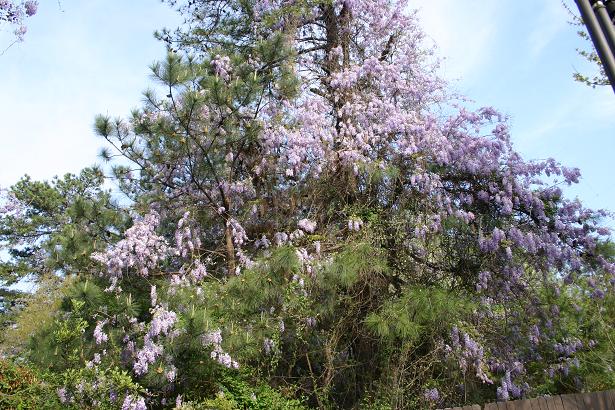
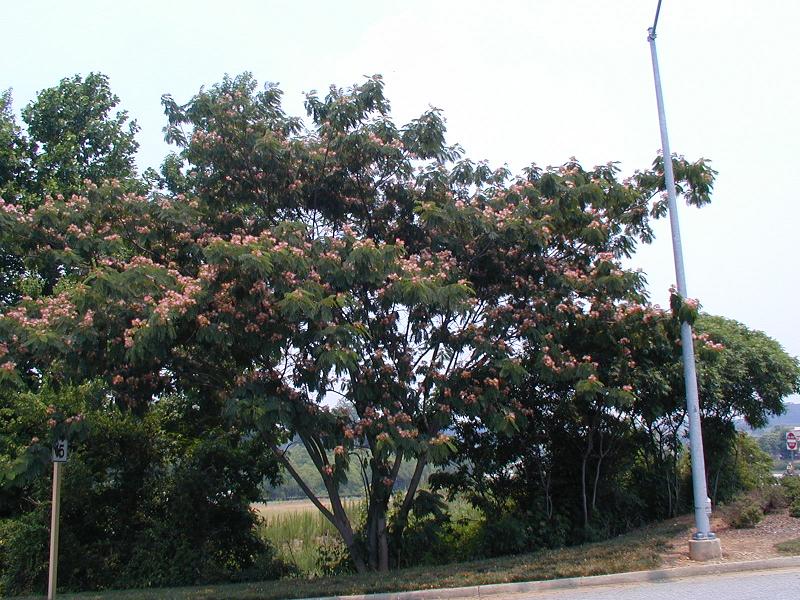
Chinese and Japanese Wisteria killing a pineMimosa seeding everywhere

Japanese and Chinese Wisteria (Wisteria floribunda, W. sinensis) can kill anything they climb. If you must have wisteria, grow Wisteria frutescens 'Amethyst Falls' which is native. Mimosa (Albizia julibrissin) seeds so prolifically that it will have hundreds of offspring very quickly.

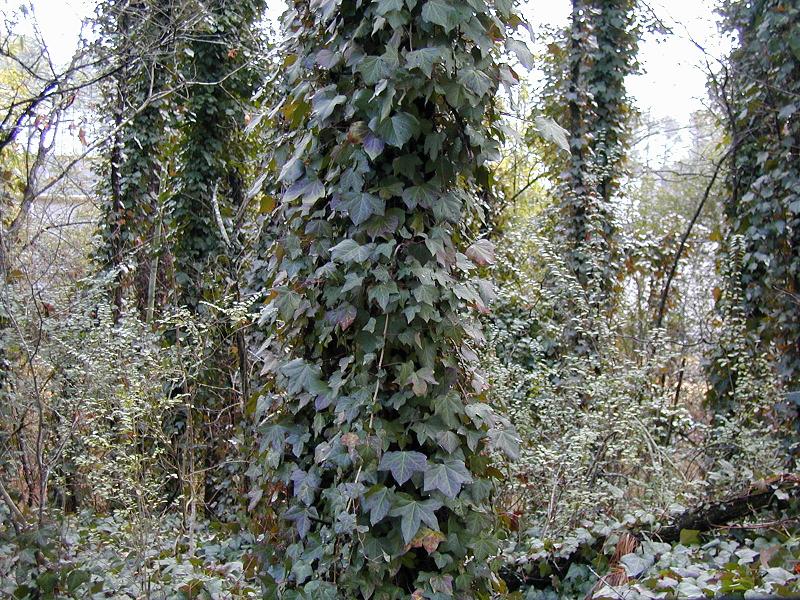
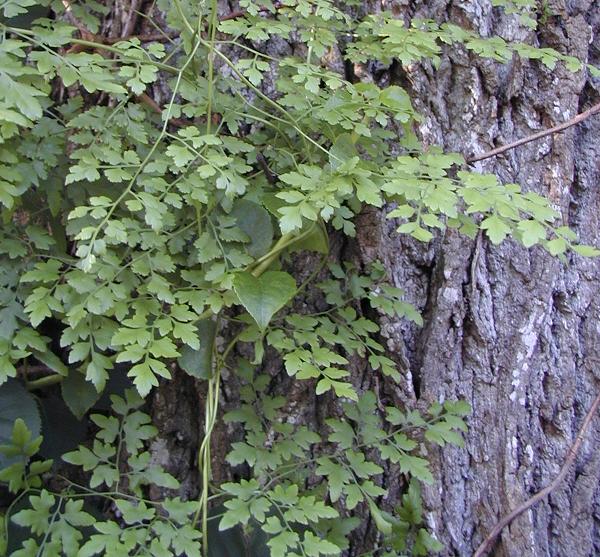
English Ivy everywhereJapanese Climbing Fern in a tree

English Ivy (Hedera helix) is often referred to as English Kudzu. This evergreen vine will climb and cover anything in its path. Because it tolerates almost total shade, it can destroy a forest quickly. Japanese Climbing Fern (Lygodium japonicum) is so invasive in Florida and South Georgia, that it can outrun Kudzu!


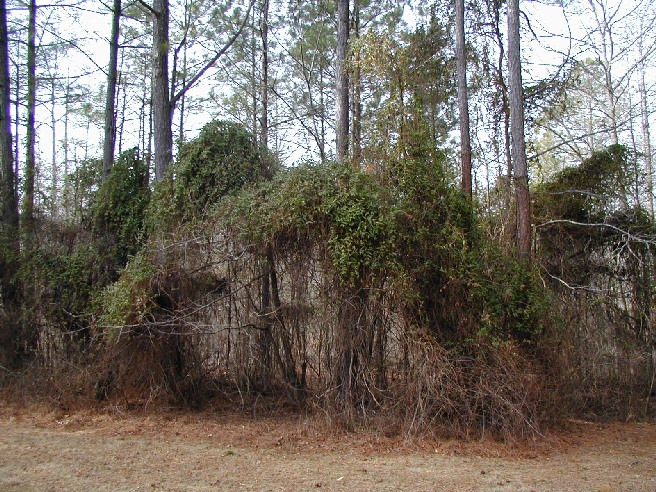
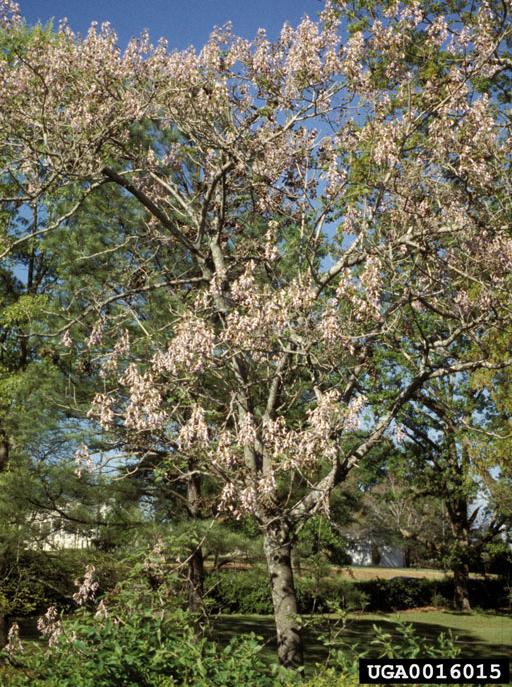
Japanese Honeysuckle choking treesPrincess Tree crowding out natives

Japanese Honeysuckle (Lonicera japonica) is an evergreen vine sold for its white fragrant flowers. However, this thug will twine its way around anything in its path choking it. Princess Tree (Paulownia tomentosa) is sold as a fast-growing, flowering shade tree. It has upright stalks of purple flowers. Yes, it grows fast and can produce thousands of offspring each year. It's also hollow in many places and has become a real pest throughout the South.


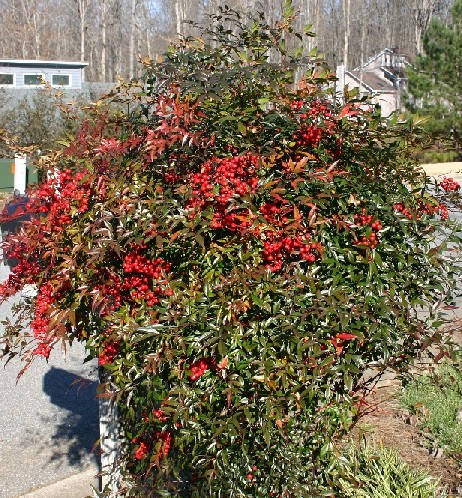
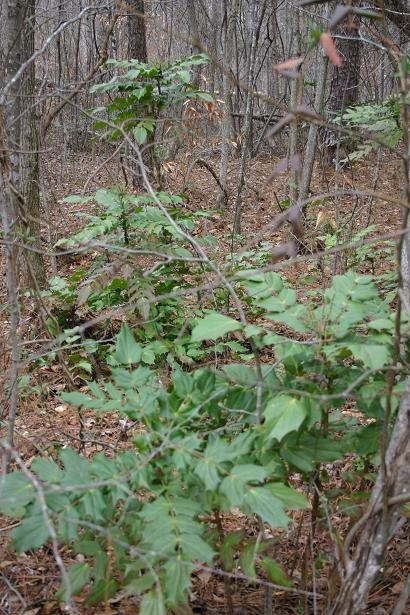
Nandina berriesMahonia invading a woodland

Often our wildlife can exacerbate the problem of invasive plants by consuming the fruit and seeds produced and carrying them off to infest other areas. Plants such as Nandina domestica and Mahonia bealei are planted for the attractive fruit which "set the seeds of destruction" for nearby natural areas.

What angers me so much about these plants is that the "Green Industry" (those that collect, research, propagate, promote and sell plants) refuses to face up to the issue that they are unleashing plants to the unsuspecting public that will result in billions and billions of dollars in losses that we will all have to pay. When questioned about this, they will reply with a list of excuses. I've heard them all. If they don't come around and act responsibly, they will eventually find themselves under government regulations requiring them to do so. In other states, regulations are already in place, so it's just a matter of time in Georgia.

Invasive Plants of the Western United States

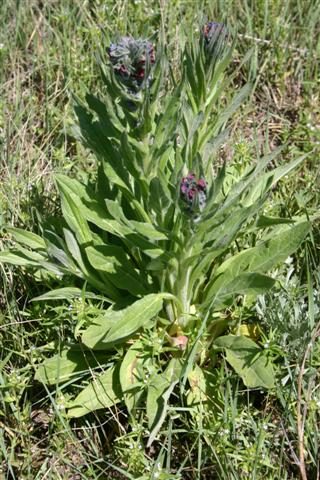
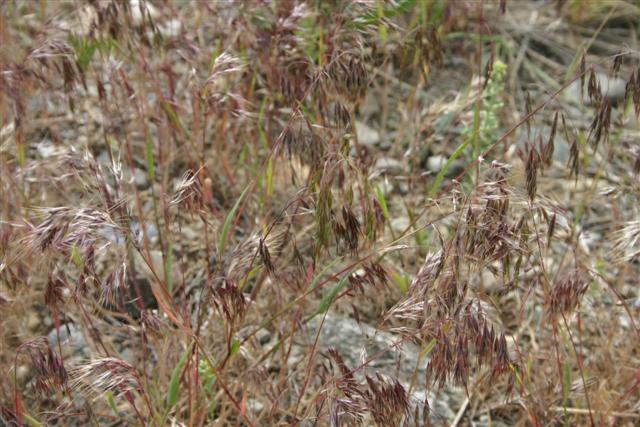
HoundstongueCheatgrass

Since I have previously lived in the west and I own property in Montana, I'm also keenly interested in the non-native invasive plants found in that part of the country. While there are some invasives that we share in common with the west, in certain regions they have an entirely different set of plant problems. Houndstongue (Cynoglossum officinale) is a biennial listed as invasive in almost 2/3 of the country, although it seems particularly prevalent in parts of Montana and Wyoming. I've even found it growing on my property (sigh!). Cheatgrass (Bromus tectorum) is a serious problem in much of the west as it invades grasslands and pastures where it displaces native pasture grasses. It can ruin pasture lands for both livestock and wildlife because it is a cool-season annual grass that crowds out perennial grasses better suited to provide summer and fall grazing. Also of note is that this plant seems to increase the frequency and intensity of wildfires.

What Can You Do?


Resources:

1Government Report: Invasive Species (PDF)
Invasive Plants of the Thirteen Southern States
Non-Native Invasive Plants of the Southeast
Non-Native Invasive Plants in Georgia
Non-Native Invasive Plants of the Western U.S.
Non-Native Invasive Plants in Montana
USDA Invasive Plants Database


Copyright © 2008 by Theresa Schrum - All rights reserved
No part of this website may be reproduced without the expressed written permission of Theresa Schrum